Observing Nocturnal Birds: Owls, Nightjars, and Their Calls
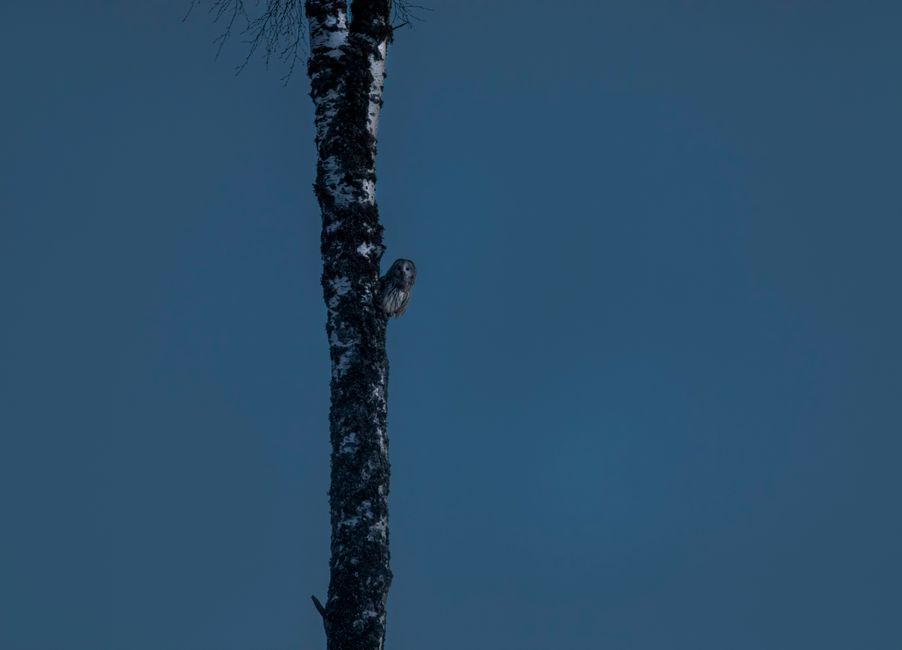
Nocturnal birds have long captured the curiosity of birders and nature enthusiasts. Unlike their diurnal counterparts, owls and nightjars emerge under the cover of darkness, relying on vocalizations to communicate, hunt, and defend territories. For those interested in observing these elusive species, learning to identify them by sound offers a practical and rewarding approach. This guide explores the key factors involved in listening for owls and nightjars, including when and where to listen, how to recognize their distinctive calls, and what to consider when planning a nocturnal birding outing. By understanding the context and patterns behind these sounds, observers can develop a deeper appreciation for the hidden life that unfolds after sunset.
The process of identifying nocturnal birds by ear requires patience and a willingness to adapt to the challenges of low light and uneven terrain. Unlike visual identification, which relies on plumage and shape, auditory identification depends on recognizing subtle variations in pitch, rhythm, and repetition. Owls, for instance, produce a range of hoots, screeches, and whistles, while nightjars are known for their repetitive, often mesmerizing chants. Each species has a unique vocal fingerprint that, once learned, becomes a reliable clue to its presence. This article outlines a structured approach to building that skill, with an emphasis on methodical listening and respectful observation.
Whether you are a seasoned birder looking to expand your nocturnal knowledge or a newcomer eager to explore the quiet hours of the day, this guide provides a framework for listening and learning. The goal is not to guarantee success but to offer tools that can increase the likelihood of hearing these remarkable birds. External factors such as weather, moon phase, and local habitat all influence activity levels, and these conditions are part of the broader context that shapes each listening experience.
Understanding Nocturnal Bird Behavior and Habitats
To effectively listen for owls and nightjars, it helps to understand where and when they are most vocal. Nocturnal birds typically become active during twilight hours, with peak calling periods often occurring shortly after dusk and again before dawn. This pattern is influenced by light levels, as many species use the transition periods for foraging or territorial displays. In the United States, spring and early summer are generally the best times for hearing vocalizations, as breeding season prompts increased calling. However, some owls, such as the Great Horned Owl, may begin calling as early as late winter, while nightjars like the Common Nighthawk are more vocal during warmer months.
Habitat preferences vary among species. Owls are found in a wide range of environments, from dense forests to open grasslands and suburban areas. Barred Owls, for example, favor mature woodlands near water, while Burrowing Owls inhabit prairie dog towns and open plains. Nightjars, on the other hand, tend to prefer areas with sparse ground cover, such as dry pine forests, scrublands, or agricultural edges. The Eastern Whip-poor-will is often associated with deciduous or mixed forests with clearings, whereas the Lesser Nighthawk is more common in arid regions of the Southwest. Knowing these habitat associations narrows down potential locations and can help plan listening outings more efficiently.
Other environmental factors also play a role. Moonlight can affect activity levels: some researchers suggest that brighter nights may increase calling in certain species, while heavy cloud cover or rain often suppresses vocal activity. Wind is another variable, as it can mask sounds and make detection difficult. Observers may choose to listen on calm, clear nights for the best acoustic conditions. Additionally, time of year and local weather patterns should be considered as part of a broader observational strategy rather than assumed guarantees of activity.
Identifying Owls by Their Calls
Owls produce a wide array of sounds that can be grouped into categories for easier recognition. The classic hooting call, often associated with the Great Horned Owl, consists of a series of deep, resonant hoots arranged in a rhythmic pattern: typically five notes with a pause in the middle. In contrast, the Barred Owl emits a distinctive series of eight to nine hoots that sound like “Who cooks for you? Who cooks for you all?” with a descending pitch toward the end. Learning these patterns by heart is one of the most straightforward ways to distinguish between species.
Screech-Owls, despite their name, produce a soft, whinnying call that descends in pitch, as well as a monotonic trill. The Eastern Screech-Owl has two main types: a long, quavering whistle and a faster, bouncing trill. The Western Screech-Owl’s call is similar but slightly shorter and faster. These species are small and often inhabit wooded suburbs, making them relatively accessible to listeners in many parts of the United States. The Saw-whet Owl, another small species, utters a series of high-pitched whistles that resemble the sound of a saw being sharpened—hence its common name.
In addition to hoots and whistles, some owls produce screeches, barks, and even hissing sounds, especially when alarmed or during interactions with other individuals. The Barn Owl, for instance, is known for its eerie, raspy hiss rather than a hoot. Listening for these less familiar calls can expand an observer’s ability to identify owls beyond the typical repertoire. It can be helpful to listen to recordings of each species beforehand and compare them with field experiences. Over time, the ear learns to pick up subtle differences, such as the length of pauses between notes or the overall rhythm of a call.
Nightjars and Their Vocalizations
Nightjars belong to the family Caprimulgidae and are primarily insectivorous birds that are active at dusk and dawn. Their vocalizations are often described as repetitive, rhythmic chants that can carry over long distances. One of the most recognizable is the call of the Eastern Whip-poor-will, which repeats its name loudly and evenly, often up to several hundred times in a single night. The pattern is three syllables with the accent on the first and third: “whip-poor-WILL.” This call is most frequently heard in spring and early summer across eastern and central parts of the United States.
The Chuck-will’s-widow, a larger relative found in the southeastern United States, vocalizes with a slower, more drawn-out song that sounds like “chuck-WILL’S-widow,” with the middle syllable emphasized. Its call is deeper and less rapid than that of the Whip-poor-will. In the western half of the country, the Common Poorwill takes the place of these species, uttering a soft, low-pitched “poor-will” or a two-note “poor-will-WHIP.” The Common Nighthawk, though also a nightjar, has a different behavior and call: its vocalization is a short, nasal “peent” often delivered while flying, and it is also known for the distinctive booming sound produced by its wings during aerial dives.
Listening for nightjars often requires patience and stillness, as these birds tend to call from perches or the ground and may pause for extended periods. The best listening locations are open areas near forest edges, especially during the first hour after sunset. Because nightjars are crepuscular, their vocal activity may decline as the night progresses, though some species, such as the Whip-poor-will, can call throughout the night under favorable conditions. Understanding the timing and behavior of each species can increase the chances of a successful listening session.
Techniques for Listening and Recording
Preparing for a nocturnal listening outing involves more than simply stepping outside at night. A methodical approach can improve both the quality of the experience and the reliability of identification. First, choosing a location based on habitat and known species presence is key. Local birding resources, online databases, and community science platforms can provide information about recent sightings and vocal activity. Sites such as eBird or state-specific checklists offer data on when and where species have been reported, helping to narrow down potential targets.
Equipment can also play a role. While no specialized gear is strictly necessary, a good pair of ears and a basic audio recorder or smartphone with a recording app can be useful for later review. This allows an observer to compare a recorded call with reference materials at home without disturbing the bird. For those who wish to document their findings, maintaining a simple log with date, time, location, weather conditions, and a description of the call can be helpful for pattern recognition over time. Headphones or a directional microphone may be used in more serious efforts, but these are not essential for casual listening.
When in the field, staying still and minimizing noise is important. Sudden movements can startle birds and cause them to stop calling. Observers may sit or stand in a single spot for 15 to 30 minutes, allowing their ears to adjust to the ambient sounds. If no calls are heard, it may be worth moving to a slightly different location or returning on another night. Repetition and patience are central to this process, as bird activity is influenced by many factors beyond human control.
Respecting Wildlife While Observing
Ethical considerations are an essential part of any birding activity, and nocturnal observation is no exception. The use of playback recordings to attract birds is a topic of debate: while it can sometimes confirm a bird’s presence, it may also cause stress or disrupt natural behaviors, especially during the breeding season. Many birding organizations recommend limiting playback use or avoiding it altogether, and instead relying on passive listening. If playback is used, it should be done sparingly, with quiet volume and short durations, and not in areas where the species is rare or sensitive.
Approaching nests or roosting sites is also discouraged, as owls and nightjars are vulnerable to disturbance when resting or caring for young. Flashlights and headlamps should be used with caution—red or amber lights are less intrusive than white light and can help reduce disruption. Observers who venture onto trails or public lands should follow local regulations and respect private property boundaries. The goal is to observe without leaving a trace, ensuring that future visitors can have the same opportunity.
Finally, it is important to recognize that nocturnal birds are part of a larger ecosystem. Their presence indicates healthy habitats that support a variety of prey species and vegetation. By approaching observation with a mindset of curiosity and respect, individuals can contribute to a broader culture of conservation. Sharing observations through community science programs, when done responsibly, can also help researchers track populations and distribution over time.
Additional Resources and Continued Learning
For those interested in deepening their understanding of nocturnal birds, a variety of resources are available. Field guides focused on bird sounds, such as those produced by the Cornell Lab of Ornithology, offer comprehensive libraries of recorded calls organized by species and region. Online platforms like Xeno-canto and the Macaulay Library provide searchable databases where users can listen to recordings from different months and locations. These tools can be especially useful for comparing subtle variations between subspecies or regional dialects.
Local birding clubs and Audubon chapters often organize night-time walks or listening events, providing an opportunity to learn from experienced guides. Participating in such events can accelerate the learning process and introduce new techniques. Additionally, keeping a personal journal of observations—noting which calls were heard, under what conditions, and in which habitats—can build a personal reference that becomes more valuable over time. This practice also encourages consistent attention to detail, which is a core skill in any form of biodiversity monitoring.
The process of identifying nocturnal birds by sound is an ongoing journey. Each listening session offers a chance to refine one’s ability to distinguish between species, understand their rhythms, and appreciate the complexity of the natural world at night. While no method can guarantee that a particular bird will be heard, the combination of preparation, patience, and ethical practice creates the conditions for meaningful encounters. Whether using a simple notepad or a sophisticated recorder, every observer contributes to a shared knowledge of these extraordinary animals.